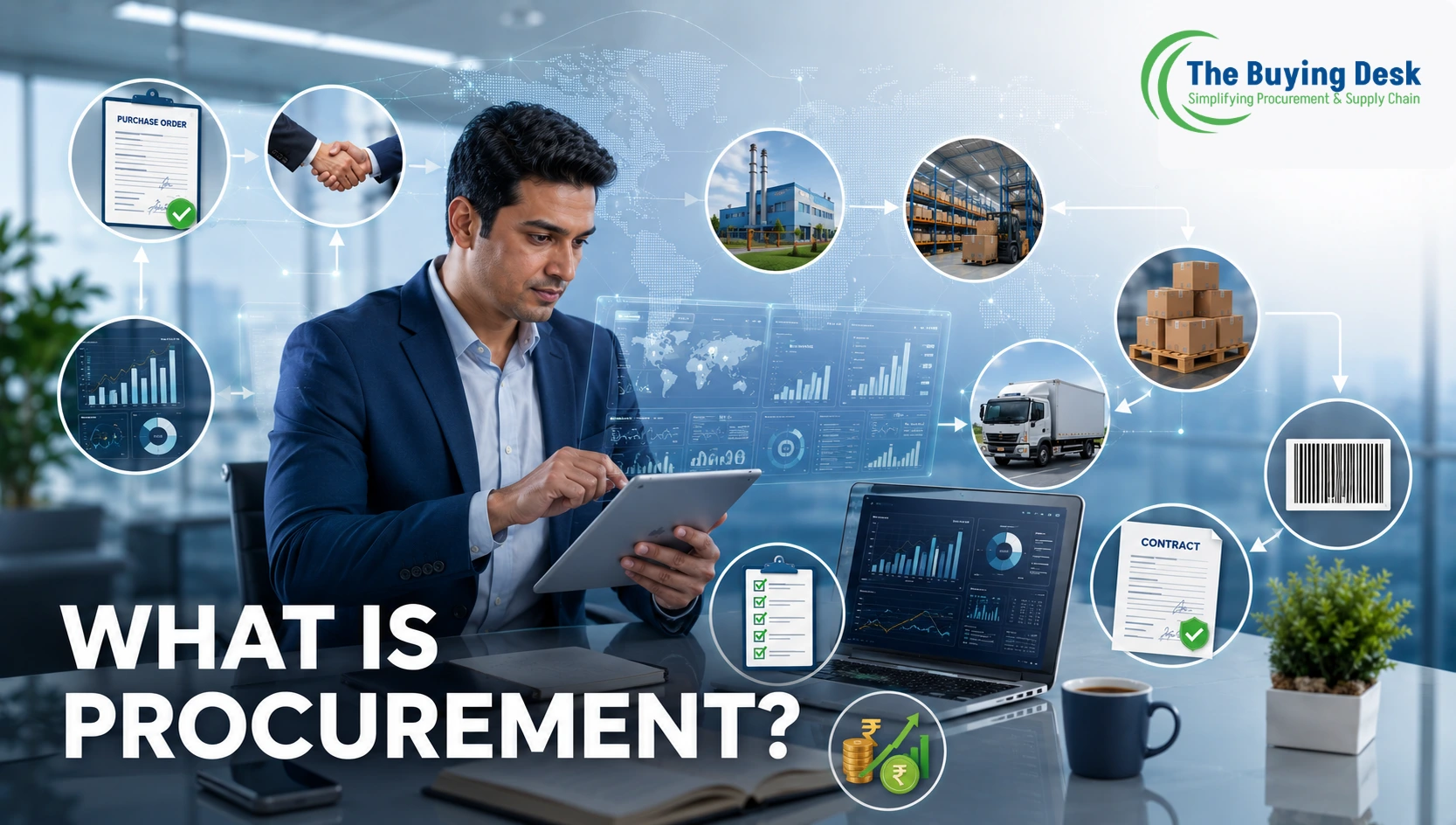
Imagine a manufacturing plant forced to halt production because a critical raw material didn’t arrive on time. Or a retailer losing customers because products are out of stock during peak demand. In both cases, the problem often traces back to one essential business function—procurement.
Procurement is much more than buying products or placing purchase orders. It is a strategic process that ensures organizations acquire the right goods and services at the right quality, from the right suppliers, at the right price, and at the right time. When managed effectively, procurement helps businesses reduce costs, improve quality, strengthen supplier relationships, and maintain uninterrupted operations.
In today’s global marketplace, procurement professionals play a vital role in managing supply chain risks, negotiating contracts, driving innovation, and creating long-term value. Whether it’s sourcing raw materials for a manufacturing plant, selecting software vendors, or outsourcing specialized services, procurement decisions directly influence profitability and customer satisfaction.
If you’re a student, business owner, procurement professional, or simply curious about how organizations manage purchasing decisions, this guide will provide a clear understanding of procurement, its importance, and how it contributes to business success.
Procurement is the strategic process of identifying business requirements, selecting suppliers, acquiring goods or services, and managing supplier relationships to achieve the best overall value for an organization.
Unlike a simple purchase transaction, procurement encompasses the entire lifecycle—from understanding a business need to evaluating supplier performance after delivery. It combines planning, sourcing, negotiation, contracting, purchasing, logistics coordination, quality assurance, and continuous supplier improvement into one integrated business function.
A successful procurement process aims to balance cost, quality, delivery, reliability, and risk, ensuring that every purchasing decision supports the organization’s operational and strategic objectives.
Procurement is the process of obtaining the goods and services a business needs in the most efficient, cost-effective, and reliable way.
A fundamental principle in procurement is delivering the Six Rights, which guide every purchasing decision.
| Right | Description |
|---|---|
| Right Product | Purchase exactly what the business requires. |
| Right Quality | Ensure materials or services meet defined specifications. |
| Right Quantity | Buy enough to meet demand without creating excess inventory. |
| Right Price | Achieve the best total value, not merely the lowest purchase price. |
| Right Time | Ensure availability when needed to avoid operational delays. |
| Right Supplier | Work with reliable suppliers capable of meeting quality, delivery, and service expectations. |
These six principles help organizations optimize costs while maintaining operational efficiency and customer satisfaction.
Procurement directly impacts almost every aspect of an organization’s performance. A well-managed procurement function not only reduces costs but also improves quality, ensures business continuity, minimizes supply chain risks, and supports sustainable growth.
For many manufacturing organizations, procurement-related spending represents a significant portion of total operating costs. Even modest improvements in procurement efficiency can have a meaningful impact on profitability.
Key benefits of effective procurement include:
Procurement has evolved from an administrative purchasing function into a strategic discipline that contributes directly to organizational competitiveness.
Procurement isn’t limited to large corporations. Individuals make procurement decisions every day, often without realizing it.
For example, when purchasing a new laptop, you might:
Organizations follow a similar process but on a larger scale, with greater emphasis on supplier evaluation, contracts, compliance, and long-term value.
Consider an automotive manufacturer preparing to launch a new vehicle model.
The procurement team begins by identifying all required components, including steel, plastic parts, electronic modules, fasteners, packaging materials, and logistics services.
The team then:
Without effective procurement, production delays, quality issues, and increased costs could significantly affect customer deliveries and profitability.
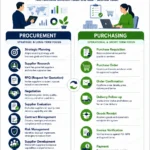
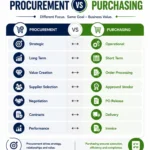
One of the most common misconceptions is that procurement and purchasing are the same. While closely related, they serve different purposes.
| Procurement | Purchasing |
|---|---|
| Strategic business function | Transactional activity |
| Focuses on long-term value | Focuses on buying goods |
| Includes supplier selection and development | Includes order placement and payment |
| Manages contracts and supplier relationships | Executes approved purchases |
| Supports business strategy | Supports day-to-day operations |
In simple terms, purchasing is one step within the broader procurement process. Procurement begins long before an order is placed and continues well after the goods or services are delivered.
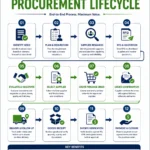
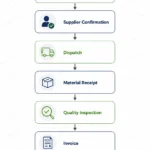
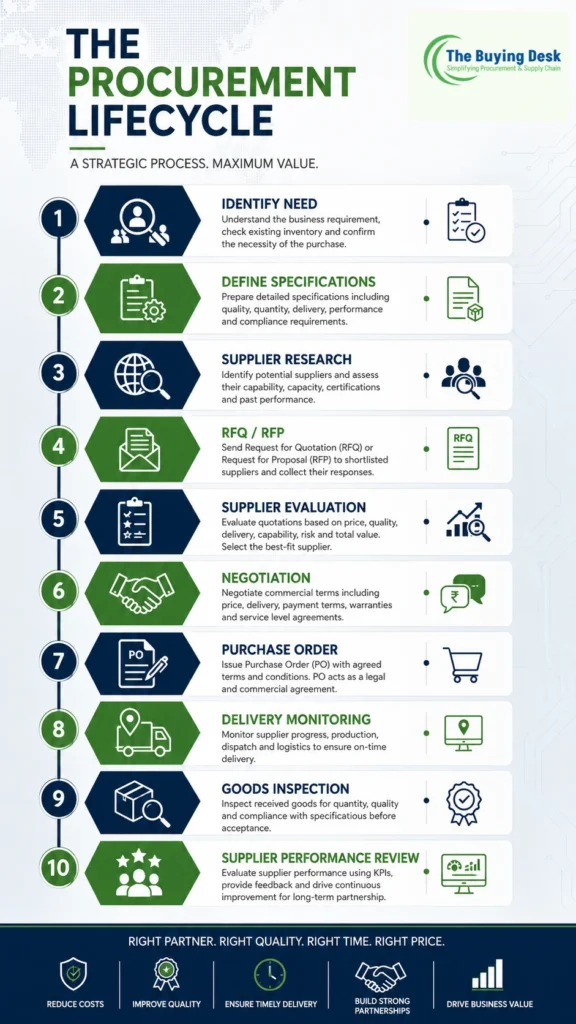
Procurement is not a single activity but a structured sequence of interconnected steps. Each stage plays an important role in ensuring that goods or services are acquired efficiently, economically, and with minimal risk.
Although organizations may have different workflows depending on their industry and size, the core procurement lifecycle generally consists of ten key stages.
Every procurement activity begins with a clearly defined requirement.
The requesting department identifies what is needed, why it is needed, when it is required, and the expected specifications. Defining requirements accurately at this stage prevents unnecessary purchases, delays, and quality issues later in the process.
Examples:
Before moving forward, procurement professionals often ask:
A well-defined requirement is the foundation of an efficient procurement process.
Once the need is confirmed, detailed specifications are prepared.
These specifications describe exactly what the organization expects to purchase and eliminate ambiguity during supplier evaluation.
Typical specifications include:
The clearer the specification, the more accurate supplier quotations will be.
The procurement team identifies suppliers capable of meeting the organization’s requirements.
Sources may include:
Suppliers are then evaluated based on factors such as:
The outcome is a shortlist of qualified suppliers invited to participate in the sourcing process.
After supplier shortlisting, procurement issues an RFQ (Request for Quotation) or, depending on the purchase, an RFP (Request for Proposal) or RFI (Request for Information).
The RFQ typically includes:
Suppliers submit quotations detailing pricing, lead times, payment terms, tooling costs (if applicable), and technical compliance.
Receiving quotations is only the beginning. Procurement teams must identify the supplier that offers the best overall value—not necessarily the lowest price.
Evaluation criteria often include:
| Evaluation Factor | Importance |
|---|---|
| Price Competitiveness | High |
| Product Quality | Very High |
| Delivery Performance | Very High |
| Production Capacity | High |
| Financial Stability | Medium |
| Technical Capability | High |
| Service & Support | Medium |
| Risk Profile | High |
| Sustainability Practices | Increasingly Important |
Many organizations use weighted scorecards to compare suppliers objectively.
Negotiation is one of the most valuable skills in procurement.
The goal is to create a win-win agreement that balances cost, quality, service, and long-term partnership.
Typical negotiation topics include:
Effective negotiation focuses on total business value rather than price alone.
After commercial approval, the procurement department issues a Purchase Order (PO).
A Purchase Order is a formal document authorizing the supplier to manufacture or deliver goods.
A typical PO contains:
Once accepted by the supplier, the PO becomes a binding commercial agreement.
Issuing a Purchase Order does not conclude procurement responsibilities.
The procurement team continuously monitors supplier progress to ensure commitments are met.
Activities include:
This stage is particularly important in industries using Just-in-Time (JIT) manufacturing, where even a short delay can disrupt production.
When materials arrive, they undergo inspection before acceptance.
Inspection may include:
Only materials meeting the required standards are accepted into inventory.
Any deviations trigger corrective actions with the supplier.
Procurement does not end after delivery.
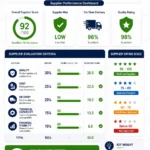
Leading organizations regularly monitor supplier performance using measurable KPIs.
Common supplier KPIs include:
| KPI | Purpose |
|---|---|
| On-Time Delivery | Delivery reliability |
| Defect Rate | Product quality |
| Cost Competitiveness | Commercial performance |
| Responsiveness | Communication effectiveness |
| Corrective Action Closure | Problem-solving capability |
| Lead Time Compliance | Schedule adherence |
| Innovation Contribution | Continuous improvement |
These evaluations support future sourcing decisions and supplier development initiatives.
Procurement can be classified into several categories depending on the nature of the goods or services being acquired.
Direct procurement involves purchasing materials or components that become part of the final product.
Examples:
Direct procurement has a direct impact on production continuity and product quality.
Indirect procurement covers goods and services that support business operations but are not part of the finished product.
Examples:
Although indirect purchases are generally lower in value, controlling them effectively helps reduce operating costs.
Goods procurement focuses on acquiring physical products such as machinery, vehicles, raw materials, or office equipment.
Organizations also procure services from external providers.
Examples include:
Managing service procurement requires clear scopes of work, service-level agreements (SLAs), and performance measurement.
Modern procurement goes far beyond purchasing goods. Its objectives align closely with organizational strategy.
The primary objectives include:
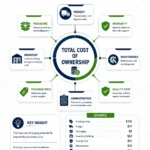
Reduce the total cost of ownership while maintaining required quality and service levels.
Ensure uninterrupted availability of materials and services to support business operations.
Source from suppliers capable of consistently meeting technical and quality requirements.
Identify and reduce risks related to supplier dependency, geopolitical events, logistics disruptions, and market volatility.
Work collaboratively with suppliers to improve quality, delivery performance, productivity, and innovation.
Ensure procurement activities comply with legal requirements, organizational policies, ethical standards, and contractual obligations.
Promote responsible sourcing by considering environmental, social, and governance (ESG) factors during supplier selection.
Procurement departments perform a wide range of strategic and operational responsibilities.
Key functions include:
Modern procurement teams also contribute to innovation, digital transformation, and long-term business strategy.
Organizations with mature procurement practices typically experience:
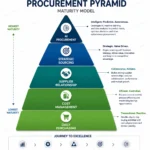
Procurement is no longer viewed as a support function—it is a strategic driver of business performance.
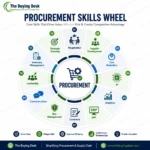
Procurement is no longer limited to issuing purchase orders and comparing quotations. Today’s procurement professionals are expected to think strategically, analyze data, negotiate effectively, manage supplier relationships, and contribute directly to business growth.
The following skills are essential for success.
Negotiation is one of the most valuable competencies in procurement. Effective negotiators focus on achieving the best overall value rather than simply securing the lowest price.
Successful negotiations often cover:
A well-negotiated agreement creates long-term benefits for both the buyer and supplier.
Procurement professionals regularly analyze:
Strong analytical skills help organizations make informed sourcing decisions and identify cost-saving opportunities.
Procurement teams interact daily with:
Clear and professional communication helps prevent misunderstand, accelerates decision-making, and builds stronger business relationships.
Long-term supplier partnerships often deliver greater value than constantly changing suppliers.
Effective supplier relationship management includes:
Organizations that invest in supplier relationships often achieve better quality, innovation, and supply reliability.
Procurement professionals should understand financial concepts such as:
Financial knowledge strengthens negotiation capability and supports strategic decision-making.
Supply chain disruptions can arise from:
Procurement teams reduce these risks by diversifying suppliers, maintaining contingency plans, and monitoring market developments.
Modern procurement increasingly relies on technology.
Professionals should be comfortable with:
Digital literacy is becoming a core procurement competency.
Even well-managed procurement departments face ongoing challenges. Understanding these issues helps organizations develop proactive strategies.
Prices for raw materials can fluctuate due to changes in global demand, supply constraints, or geopolitical events.
Best Practices:
Late deliveries can disrupt production schedules and customer commitments.
Best Practices:
Poor-quality materials increase costs through rework, scrap, warranty claims, and production downtime.
Best Practices:
Events such as pandemics, geopolitical tensions, port congestion, or transportation strikes can affect supply continuity.
Best Practices:
Depending heavily on one supplier can reduce negotiation leverage and increase business risk.
Best Practices:
Digital transformation is reshaping procurement. Manual paperwork and email-based processes are increasingly replaced by integrated digital platforms that improve efficiency, visibility, and compliance.
Examples include:
Organizations adopting digital procurement often experience faster cycle times, better data accuracy, and stronger process control.
Artificial Intelligence is becoming an important tool in procurement by automating repetitive tasks and providing deeper insights for decision-making.
Common AI applications include:
AI can categorize purchasing data, identify spending patterns, and highlight savings opportunities.
AI tools monitor news, financial indicators, and market developments to identify potential supplier risks before they impact operations.
By analyzing historical consumption and business trends, AI can improve procurement planning and inventory management.
AI can review contracts, identify important clauses, highlight renewal dates, and flag compliance risks.
AI-powered platforms can recommend qualified suppliers based on technical requirements, industry certifications, geographic location, and past performance.
Internal users can obtain information about purchase orders, approvals, supplier status, and procurement policies through AI assistants, reducing routine inquiries.
AI is not replacing procurement professionals—it is enabling them to spend more time on strategic activities such as supplier collaboration, negotiation, and innovation.
Organizations use Key Performance Indicators (KPIs) to measure procurement effectiveness and identify opportunities for improvement.
Common procurement KPIs include:
| KPI | Why It Matters |
|---|---|
| Cost Savings | Measures financial impact of procurement initiatives. |
| Cost Avoidance | Tracks expenses prevented through negotiations or planning. |
| Purchase Order Cycle Time | Indicates procurement process efficiency. |
| On-Time Delivery | Measures supplier delivery performance. |
| Supplier Defect Rate | Reflects supplier quality performance. |
| Procurement Spend Under Contract | Shows how much spending follows negotiated agreements. |
| Supplier Lead Time | Evaluates supplier responsiveness. |
| Purchase Requisition to PO Time | Measures internal approval efficiency. |
| Supplier Performance Score | Combines quality, delivery, cost, and service metrics. |
| Procurement ROI | Assesses overall value generated by procurement activities. |
Regular KPI reviews support continuous improvement and stronger supplier performance.
Procurement offers diverse career paths across industries such as manufacturing, automotive, healthcare, construction, retail, technology, pharmaceuticals, and government.
A typical career progression is:
| Experience Level | Typical Role |
|---|---|
| Entry Level | Procurement Trainee / Purchase Executive |
| Early Career | Buyer / Procurement Executive |
| Mid-Level | Senior Buyer / Procurement Specialist |
| Experienced | Category Manager / Strategic Sourcing Manager |
| Leadership | Procurement Manager / Head of Procurement |
| Executive | Director of Procurement / Chief Procurement Officer (CPO) |
Professionals can further specialize in areas such as strategic sourcing, supplier quality, contract management, category management, or global procurement.
Procurement expertise is valuable across a wide range of sectors, including:
This broad demand provides strong career flexibility and long-term opportunities.
Leading organizations consistently follow several proven practices:
These practices help organizations reduce costs, improve quality, and strengthen supply chain resilience.
Imagine a factory that requires a critical plastic component every day to maintain production.
A proactive procurement team would:
This approach minimizes production interruptions, improves supplier relationships, and contributes directly to operational efficiency and profitability.
Ready to Master Procurement?
Explore our growing Procurement Basics series to build your knowledge step by step. Whether you’re starting your career or looking to strengthen your expertise, TheBuyingDesk.com offers practical guides, real-world examples, and actionable insights designed for today’s procurement professionals.
What is procurement in simple words?
Procurement is the process of identifying business needs, selecting suppliers, purchasing goods or services, and managing supplier relationships to obtain the best value while supporting organizational objectives.
Is procurement the same as purchasing?
No. Purchasing is a transactional activity focused on placing orders and making payments. Procurement is a broader, strategic function that includes planning, sourcing, supplier selection, negotiation, contract management, purchasing, and supplier performance evaluation.
Why is procurement important?
Procurement helps organizations reduce costs, ensure uninterrupted supply, improve quality, manage supplier risks, support innovation, and maintain efficient business operations.
What are the Six Rights of Procurement?
The Six Rights are:
These principles help organizations make balanced and effective purchasing decisions.
What is the procurement process?
A typical procurement process includes:
What are the main types of procurement?
The four common types are:
What skills are important for procurement professionals?
Key skills include negotiation, communication, analytical thinking, supplier relationship management, financial understanding, risk management, and digital procurement knowledge.
What is strategic procurement?
Strategic procurement focuses on creating long-term value through supplier partnerships, category management, cost optimization, innovation, and risk reduction rather than simply purchasing goods.
What industries need procurement professionals?
Procurement professionals are required in manufacturing, automotive, healthcare, pharmaceuticals, construction, retail, IT, logistics, government, energy, hospitality, and many other industries.
Can procurement be a good career?
Yes. Procurement offers strong career growth, opportunities to work across industries, and roles ranging from Buyer and Procurement Specialist to Procurement Manager and Chief Procurement Officer (CPO).
What is supplier management?
Supplier management is the process of selecting, developing, monitoring, and maintaining relationships with suppliers to improve quality, delivery performance, cost efficiency, and collaboration.
How is AI changing procurement?
AI supports procurement by improving spend analysis, demand forecasting, supplier discovery, contract review, risk monitoring, and process automation, enabling procurement teams to focus on strategic decision-making.
Procurement has evolved into one of the most influential functions within modern organizations. It connects suppliers with business operations, supports production continuity, controls costs, and contributes directly to customer satisfaction and long-term profitability.
Organizations that treat procurement as a strategic capability—not merely an administrative process—are better positioned to respond to market changes, manage supply chain risks, and achieve sustainable growth.
Whether you’re beginning your procurement journey, managing a purchasing team, or leading supply chain initiatives, investing in procurement knowledge will help you make better decisions, build stronger supplier partnerships, and create lasting business value.
If you’re new to procurement, these guides are the best next steps:
These articles build progressively, making it easier to develop a solid understanding of procurement from the fundamentals to advanced concepts.