Tag: Supply Chain

Cost Management

Total Cost of Ownership (TCO) in Procurement: Complete Guide

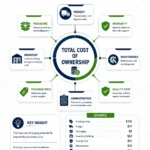
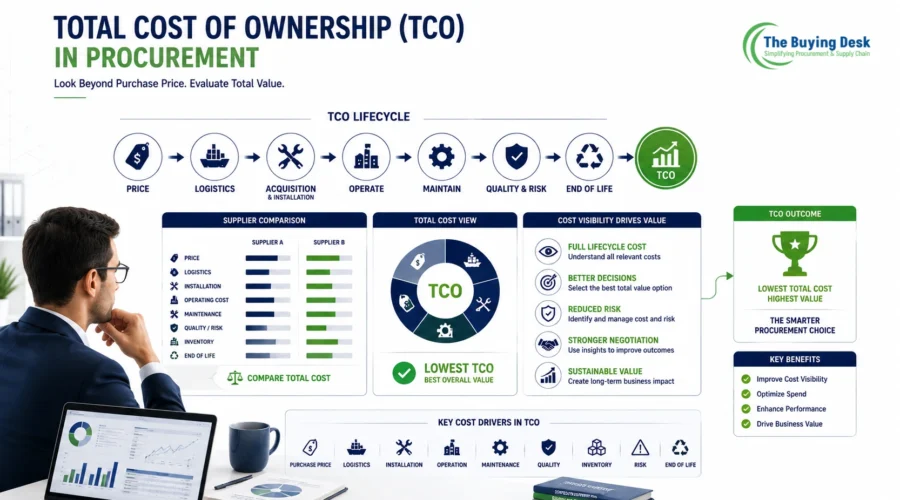
A supplier offering the lowest price is not necessarily offering the lowest overall cost. A lower purchase price may come with higher freight, inventory, quality, maintenance, operating, administrative or end-of-life costs. Total Cost of Ownership, commonly called TCO, provides a broader view by evaluating the costs associated with a purchase across its relevant lifecycle. CIPS

Procurement

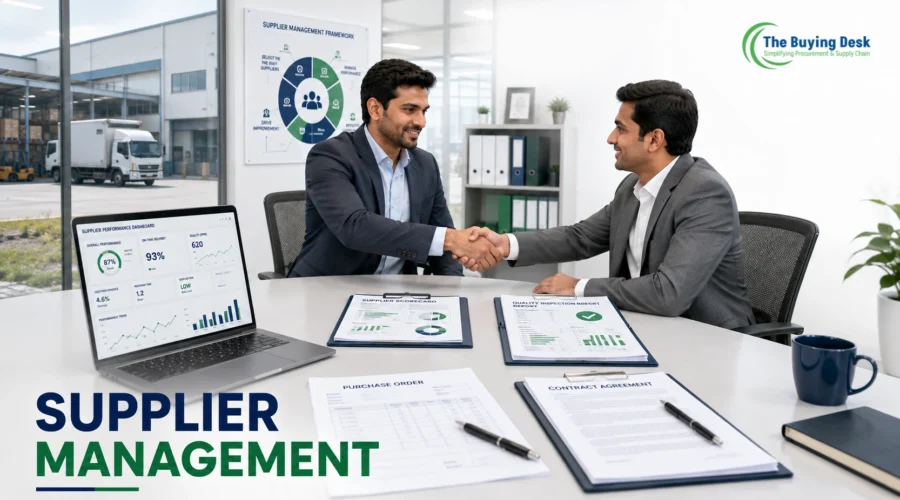
What Is Supplier Management? Process, Benefits, KPIs & Best Practices

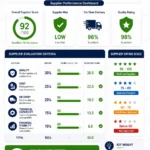
A supplier can have a major impact on an organization’s cost, quality, delivery performance and business continuity. A supplier that consistently delivers the right product at the right quality and price can become a strategic business partner. A poorly managed supplier, on the other hand, can create: This is why procurement cannot stop at supplier

Cost Optimization

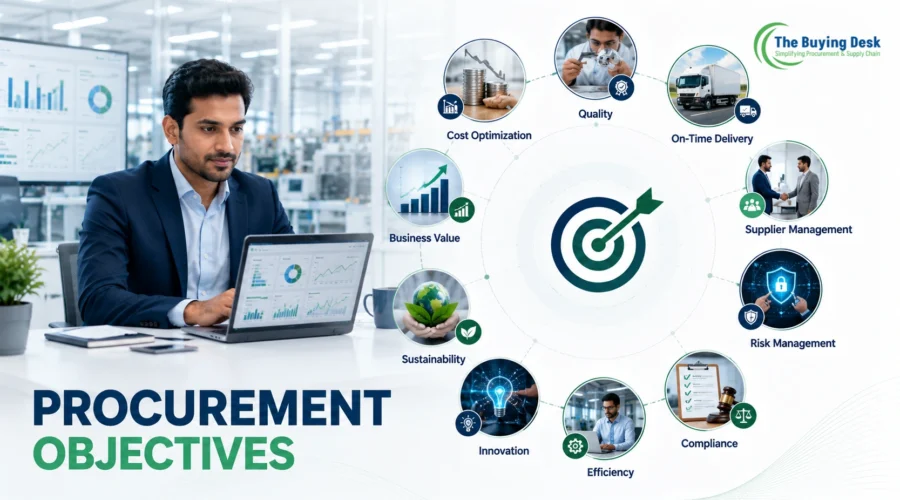
Procurement Objectives: 10 Key Goals Every Procurement Team Should Achieve

What is the main objective of procurement? If the answer is simply “buy products at the lowest price,” procurement is being viewed too narrowly. Modern procurement has a much broader responsibility. A procurement team must help the organization obtain the right product or service, at the right quality, from the right supplier, at the right

Procurement

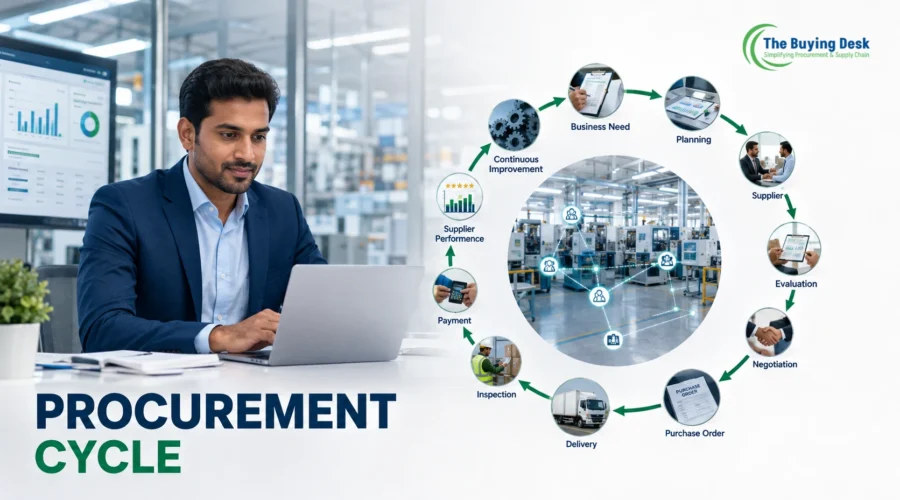
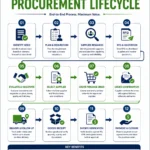
Procurement Cycle Explained: Stages, Process & Best Practices

A business does not purchase something only once. It continuously identifies requirements, plans purchases, searches for suppliers, negotiates commercial terms, places orders, receives materials, processes payments, evaluates suppliers, and improves future purchasing decisions. This continuous movement is known as the procurement cycle. For a manufacturing company, the cycle might begin when production planning identifies a

Inventory

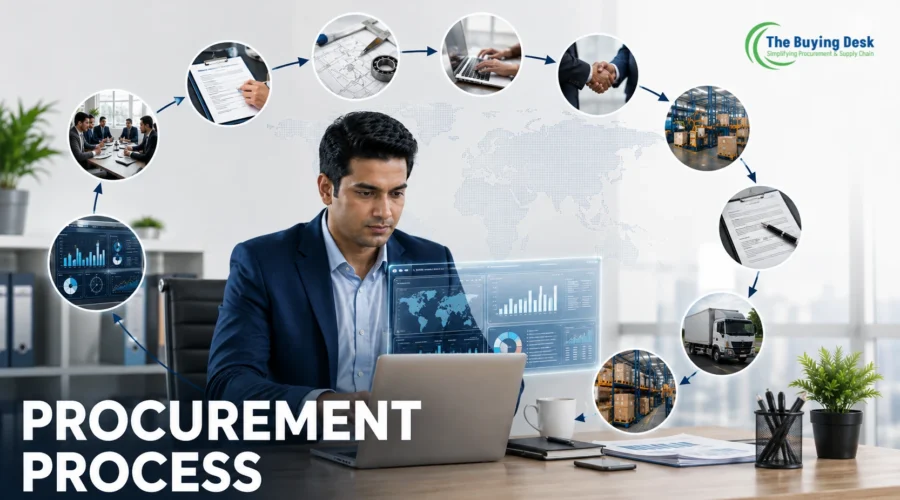
Procurement Process Explained: A Step-by-Step Guide

Imagine trying to build a house without a plan. Materials arrive late, the wrong items are delivered, costs exceed the budget, and the project is delayed. The result is confusion, wasted money, and dissatisfied customers. The same principle applies to businesses. Without a structured procurement process, organizations may purchase the wrong materials, choose unreliable suppliers,

Business Operations

What is Procurement? A Complete Beginner’s Guide (2026)

Imagine a manufacturing plant forced to halt production because a critical raw material didn’t arrive on time. Or a retailer losing customers because products are out of stock during peak demand. In both cases, the problem often traces back to one essential business function—procurement. Procurement is much more than buying products or placing purchase orders.

Procurement

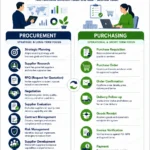
Procurement vs Purchasing: Key Differences Explained

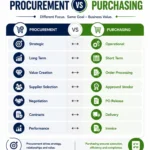
If you’ve ever heard someone say, “Procurement and purchasing are the same thing,” you’re not alone. In many organizations, these two terms are used interchangeably. However, in reality, they represent two different functions with distinct objectives, responsibilities, and business impact. Imagine a manufacturing company that needs to purchase raw materials for production. Simply placing a