Tag: Supplier Selection

Category Strategy

Sourcing Strategy Development: Complete Procurement Guide

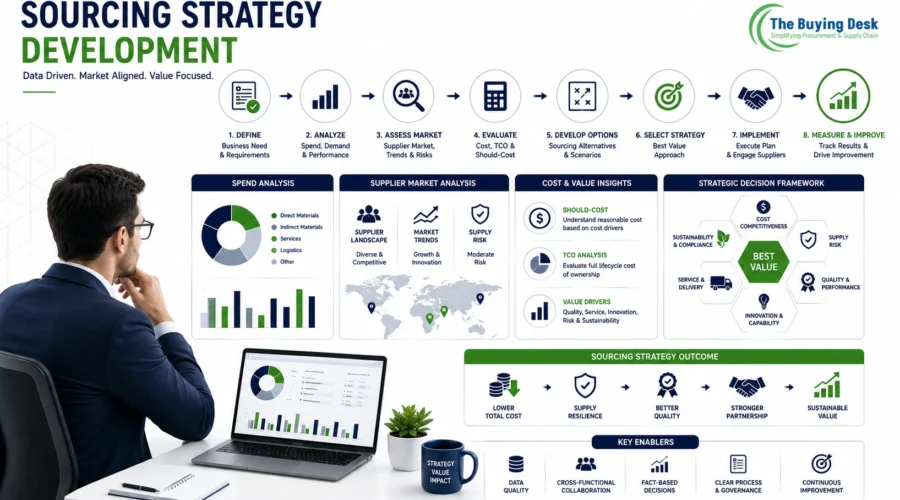
A procurement team can analyze spend, study supplier markets and evaluate costs, but these activities create limited value unless they lead to a clear sourcing strategy. Sourcing strategy development is the process of converting procurement intelligence into a structured plan for how, where, and from whom an organization should source goods or services. A strong

Cost Management

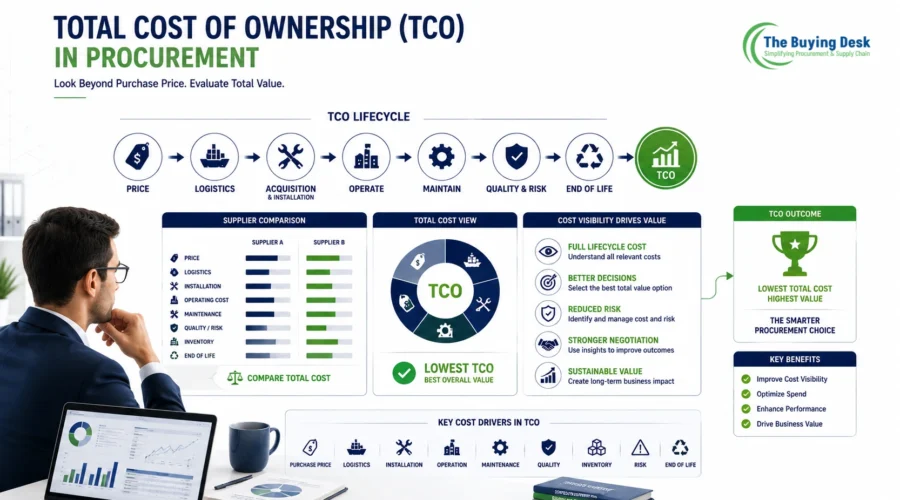
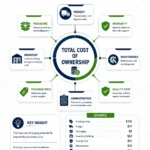
Total Cost of Ownership (TCO) in Procurement: Complete Guide

A supplier offering the lowest price is not necessarily offering the lowest overall cost. A lower purchase price may come with higher freight, inventory, quality, maintenance, operating, administrative or end-of-life costs. Total Cost of Ownership, commonly called TCO, provides a broader view by evaluating the costs associated with a purchase across its relevant lifecycle. CIPS

Category Management

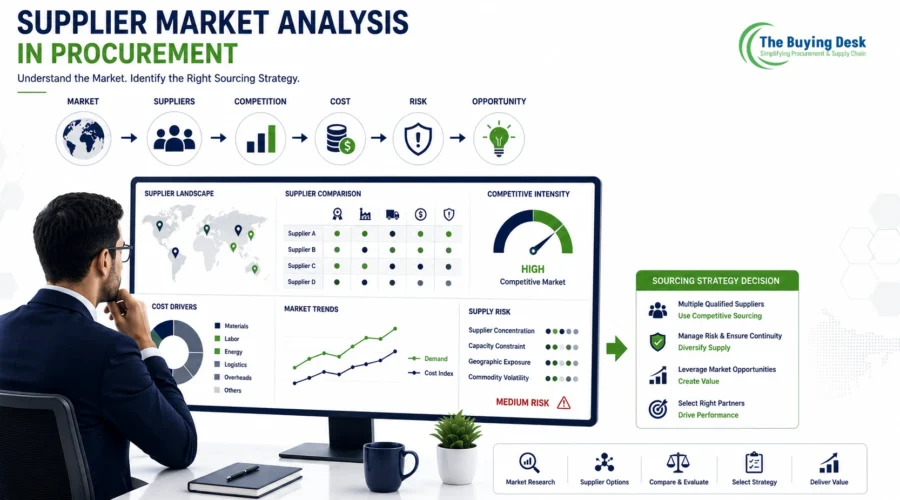
Supplier Market Analysis in Procurement: Process, Tools & Strategy

Supplier market analysis is a critical part of strategic sourcing and category management. It helps procurement teams understand the external supply market before making important sourcing, supplier selection or negotiation decisions. Instead of looking only at existing suppliers and historical prices, supplier market analysis examines the broader market: Who can supply? How competitive is the

Procurement Best Practices

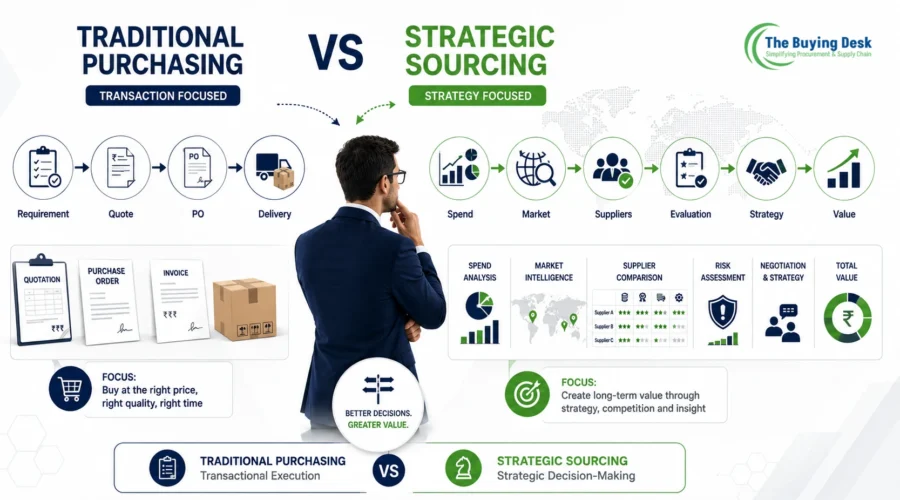
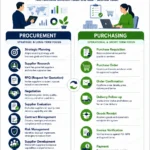
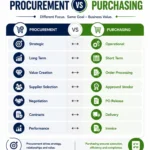
Strategic Sourcing vs Traditional Purchasing: Key Differences Explained

Strategic sourcing and traditional purchasing are both important parts of procurement, but they operate at different levels. Traditional purchasing is primarily concerned with obtaining the required goods or services at the right price, quantity, quality and time. It is often transaction-focused and closely connected with purchase orders, supplier quotations, order processing and delivery. Strategic sourcing,

Category Management

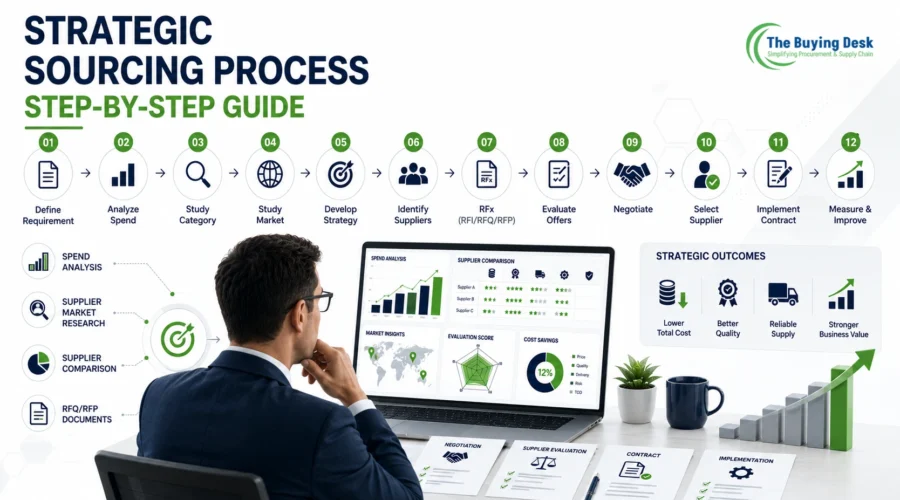
Strategic Sourcing Process: Step-by-Step Guide for Procurement Professionals

Strategic sourcing is most effective when procurement follows a structured process rather than simply sending quotations to suppliers and selecting the lowest price. The strategic sourcing process provides a systematic framework for understanding business requirements, analyzing spend, studying the supplier market, developing a sourcing strategy, identifying potential suppliers, conducting RFx events, evaluating offers, negotiating commercial

Procurement Best Practices

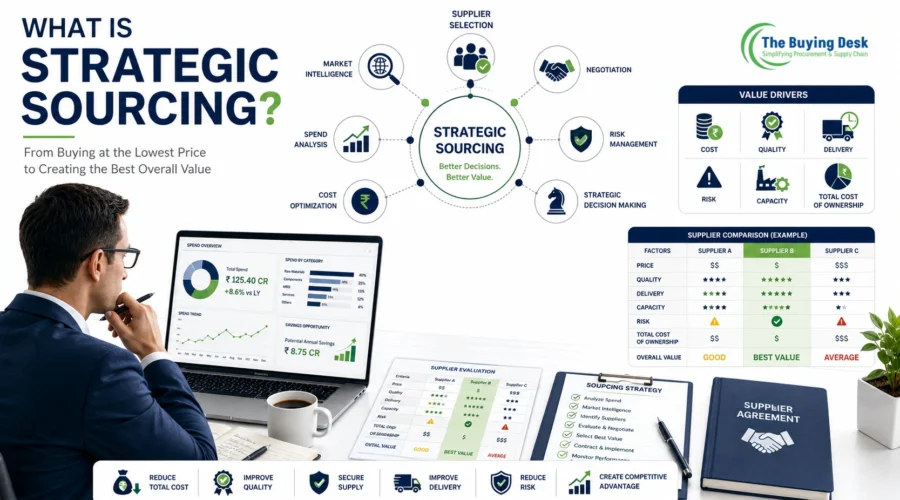
What Is Strategic Sourcing? A Complete Guide for Procurement Professionals

Strategic sourcing is a systematic approach to procurement that focuses on finding the right suppliers, understanding market conditions, analyzing costs, reducing supply risk and creating long-term value for an organization. Unlike traditional purchasing, which often focuses on price, purchase orders and immediate requirements, strategic sourcing considers the complete picture: cost, quality, delivery, capacity, supplier capability,

Cost Optimization

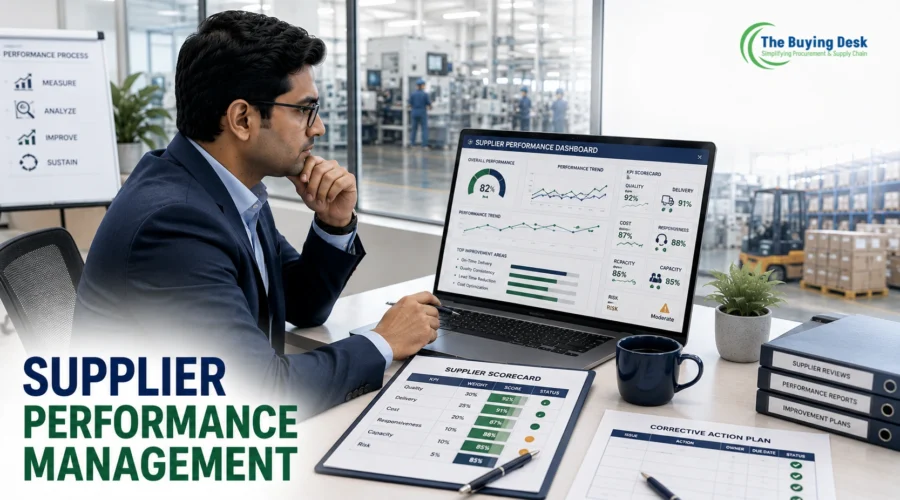
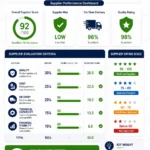
Supplier Performance Management: Process, KPIs, Scorecards & Best Practices

A supplier may offer a competitive price, but that alone does not make the supplier successful. Procurement performance depends on what happens after the supplier is selected. Does the supplier deliver on time? Does the material meet quality requirements? Are costs competitive? Does the supplier respond quickly to problems? Can the supplier support increasing demand?

Procurement

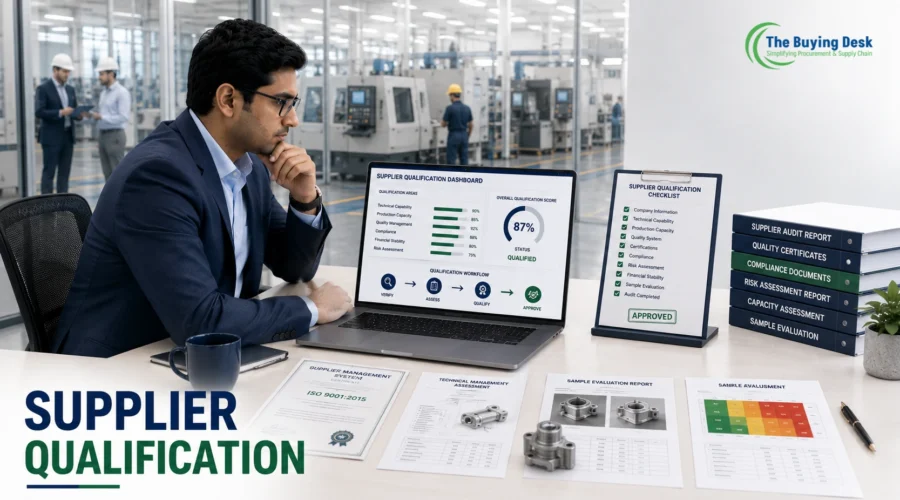
Supplier Qualification Process: Criteria, Checklist & Best Practices

Finding a supplier is relatively easy. Finding a supplier that is capable, reliable, compliant and suitable for long-term business is much more difficult. A supplier may offer an attractive price, but can the supplier consistently meet your quality requirements? Does it have sufficient production capacity? Can it support your required volumes? Are its processes stable?

Procurement

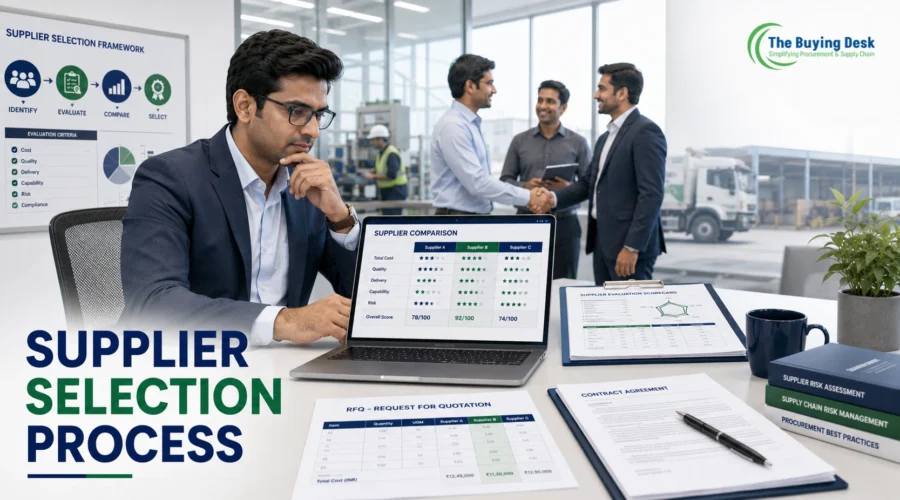
Supplier Selection Process: How to Select the Right Supplier

Choosing the right supplier is one of the most important decisions in procurement. A supplier may offer the lowest price, but that does not necessarily make them the best supplier. A supplier that consistently delivers the right quality, on time, at a competitive total cost, while managing risks and responding quickly to business requirements, can