What is the main objective of procurement?
If the answer is simply “buy products at the lowest price,” procurement is being viewed too narrowly.
Modern procurement has a much broader responsibility.
A procurement team must help the organization obtain the right product or service, at the right quality, from the right supplier, at the right time, in the right quantity, and at the right total cost.
At the same time, procurement must manage supplier relationships, reduce supply risks, support business continuity, maintain compliance, improve efficiency and contribute to the organization’s long-term goals.
This is why procurement has become much more strategic than simply placing purchase orders.
For a manufacturing company, procurement decisions can influence:
In this guide, we will explain the 10 major objectives of procurement, with practical examples and a simple framework that procurement professionals can use to evaluate their own function.
Procurement objectives are the specific goals that a procurement function aims to achieve while acquiring goods, services, materials and other resources required by an organization.
These objectives go beyond purchasing products.
They focus on creating value for the entire business.
A procurement department may have objectives related to:
A simple way to understand procurement objectives is:
Procurement should help the organization obtain what it needs, when it needs it, at the right overall cost and quality, while minimizing risk and creating long-term business value.
Without clear objectives, procurement can become reactive.
Buyers may focus on:
These activities are important, but they don’t tell management whether procurement is actually creating value.
Clear objectives allow an organization to ask better questions:
This turns procurement from an order-processing function into a measurable business function.
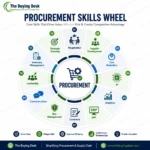
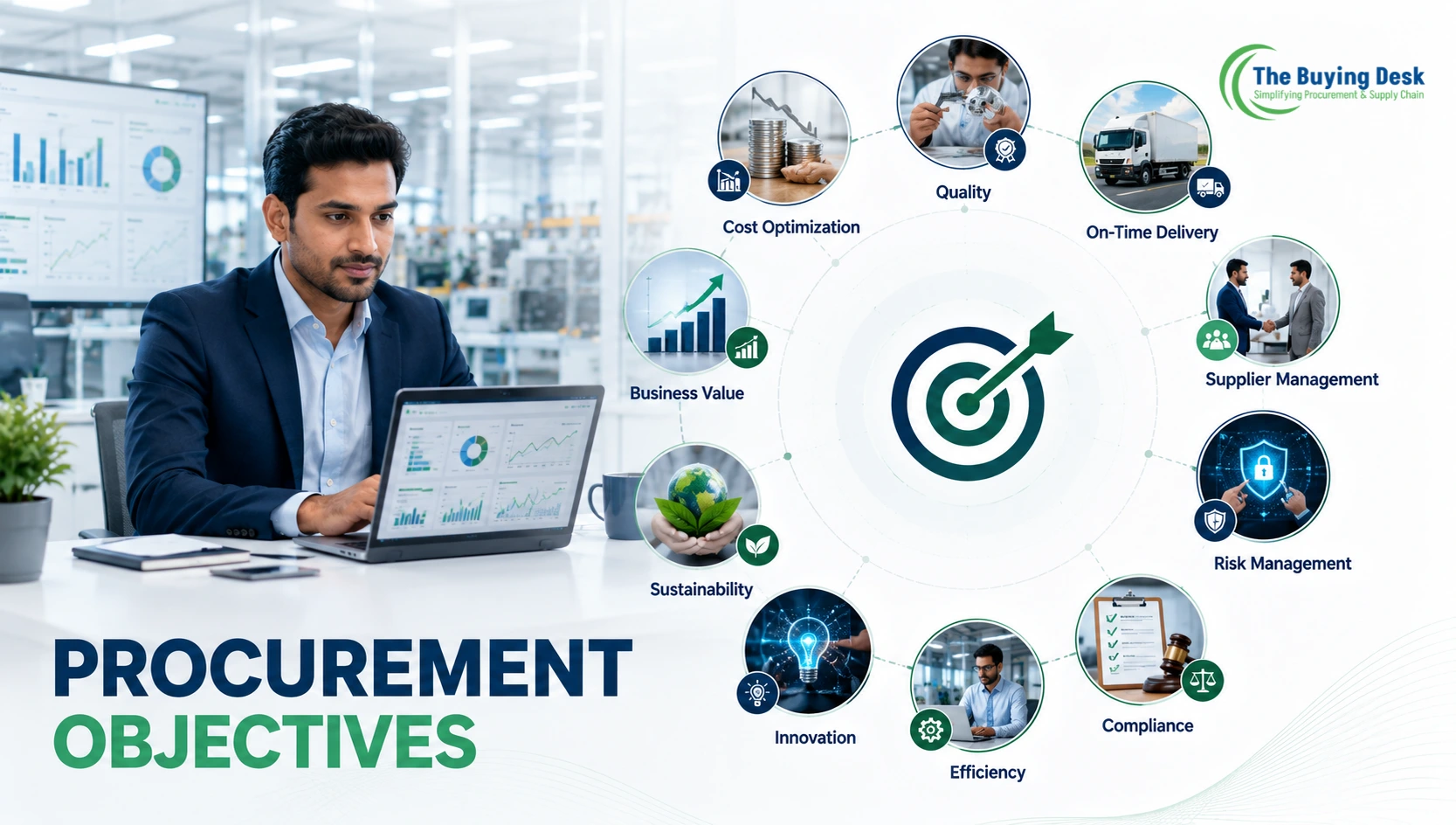
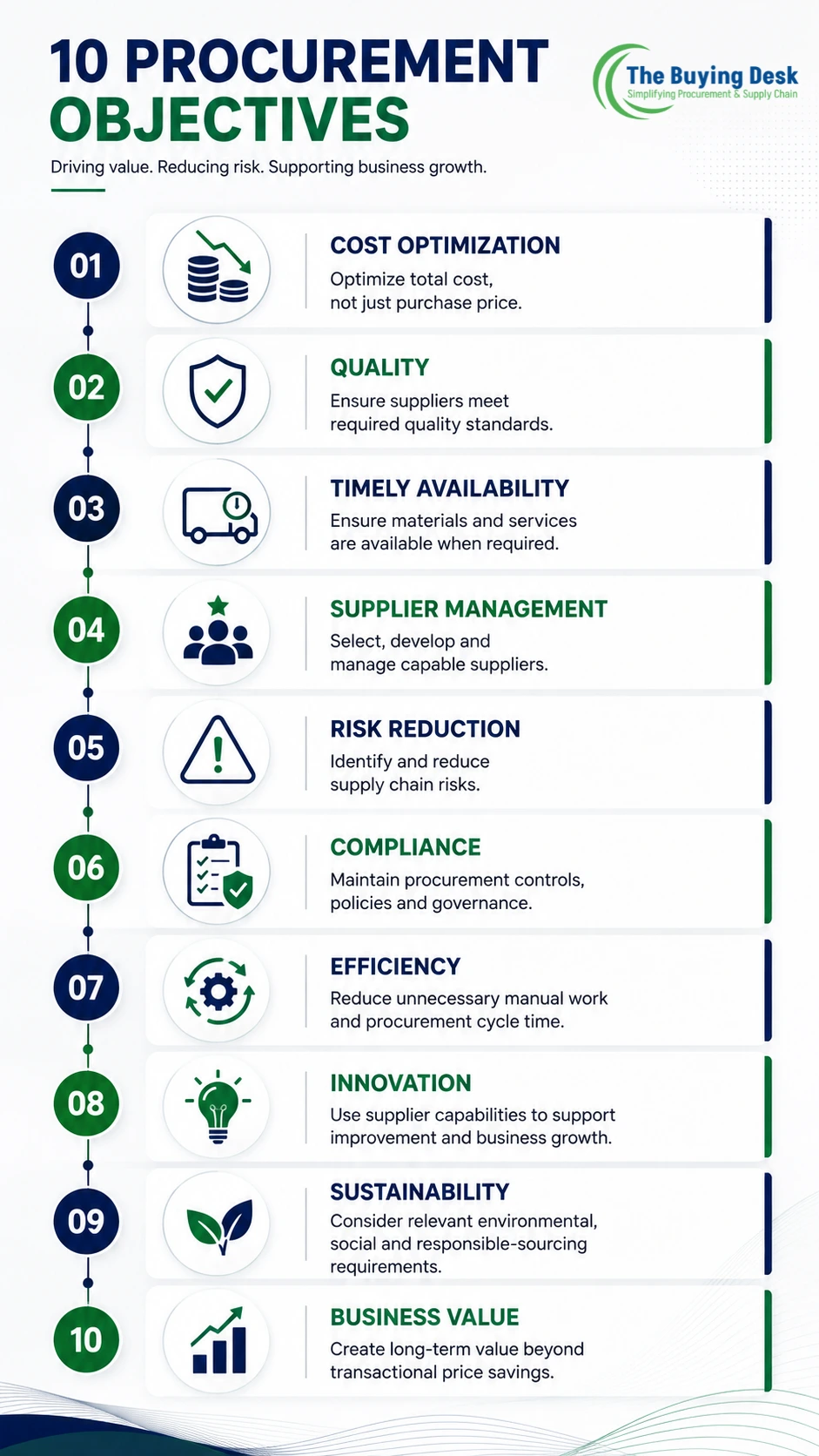
The major procurement objectives can be summarized as:
Let’s examine each objective in detail.
Cost optimization is one of the most visible procurement objectives.
However, procurement should not focus only on the quoted purchase price.
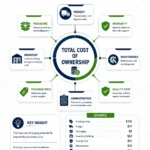
The real objective is to optimize the total cost associated with acquiring and using a product or service.
This is often referred to as Total Cost of Ownership (TCO).
TCO may include:
Supplier A quotes:
₹100 per unit
Supplier B quotes:
₹105 per unit
At first glance, Supplier A appears cheaper.
But suppose Supplier A has:
Supplier B has:
The actual business cost of Supplier A may be higher.
Therefore:
The lowest purchase price is not always the lowest total cost.
Procurement can use:
Cost is important, but low cost with poor quality can damage the business.
A procurement function should ensure that suppliers can consistently meet the organization’s quality requirements.
Quality objectives may include:
Imagine a company purchases 100,000 components every month.
If the supplier’s rejection rate increases from 0.5% to 3%, thousands of components may require:
The impact goes beyond the purchase price.
It can affect production schedules and customer deliveries.
Procurement can:
Procurement and Quality should work together rather than operating independently.
A material that arrives after production needs it may have little value to the business.
One of procurement’s most important objectives is therefore to ensure availability at the required time.
This requires coordination between:
A factory needs 10,000 components on Monday morning.
The supplier delivers them on Wednesday.
Even if the price and quality are excellent, the procurement outcome has failed from an operational perspective.
Late delivery can result in:
The objective is not simply:
“Supplier delivered.”
It is:
“Supplier delivered the right quantity at the right time.”
Procurement depends heavily on supplier capability.
A strong supplier can contribute to:
Supplier selection should therefore consider more than price.
Important factors can include:
| Factor | What Procurement Should Consider |
|---|---|
| Cost | Competitive total cost |
| Quality | Quality performance |
| Delivery | Lead time and reliability |
| Capacity | Ability to support demand |
| Technology | Technical capability |
| Financial Health | Business continuity |
| Service | Responsiveness |
| Risk | Supply vulnerability |
| Innovation | Improvement capability |
| Compliance | Legal and organizational requirements |
Sometimes the best supplier is not the perfect supplier today.
A supplier may have good technical capability but require improvement in:
Procurement can work with internal teams and the supplier to develop capability.
This is especially valuable for strategic or difficult-to-source categories.
Procurement plays an important role in protecting the organization from supply disruptions.
Potential risks include:
A company depends entirely on one supplier for a critical component.
The supplier experiences a major production problem.
The customer has no qualified alternative.
The result could be a production stoppage.
Procurement should therefore assess supply risks before they become emergencies.
Depending on the category and business context, organizations may use:
Risk management should be proportional to the criticality of the material or service.
Procurement decisions involve company money and supplier commitments.
Therefore, procurement must operate within defined policies and controls.
Governance may include:
Weak procurement controls can result in:
A strong procurement function should make the purchasing process both efficient and controlled.
Compliance should not become unnecessary bureaucracy.
The objective is to create the right level of control for the level of risk.
Procurement teams often spend significant time on repetitive activities.
Examples include:
An important procurement objective is therefore to improve the efficiency of these activities.
If a buyer spends several hours every week manually preparing the same purchasing reports, automation could free time for more valuable activities such as:
The goal of procurement automation should not simply be to reduce headcount.
It should be to shift procurement time from repetitive transactions toward higher-value activities.
Modern procurement can contribute to innovation.
Suppliers often have specialized:
Procurement can connect these capabilities with internal business requirements.
A manufacturing company wants to reduce the weight of a product.
The procurement team works with engineering and suppliers to identify:
The result may be:
Procurement therefore becomes a bridge between the organization and the external market.
Sustainability is becoming an increasingly important consideration in procurement.
Organizations may evaluate suppliers based on:
The exact requirements depend on the organization, industry and applicable regulations.
A company purchases packaging materials.
Procurement may compare suppliers not only on price and quality but also on:
Sustainable procurement does not necessarily mean choosing the most expensive option.
It means considering relevant environmental and social factors alongside commercial and operational requirements.
This is the broadest procurement objective.
Procurement should contribute to the organization’s overall success.
That may include:
Imagine procurement saves ₹10 lakh through price negotiation.
That’s valuable.
But suppose procurement also:
The overall value created can be much greater than the negotiated price reduction.
This is why procurement should be evaluated on business outcomes, not only negotiated savings.
A traditional way to understand procurement objectives is through the Six Rights.
Procurement should aim to obtain:
The product or service must meet the business requirement.
It must meet the required quality standards.
The organization should obtain the required quantity without unnecessary excess.
The supplier should have the appropriate capability, reliability and commercial fit.
The product should be available when required.
The organization should achieve a commercially appropriate price considering the overall value and cost.
These six rights provide a simple foundation for procurement decision-making.
Procurement objectives can become particularly important in manufacturing because material availability directly affects production.
Consider a factory producing 50,000 units per month.
Procurement must ensure:
A procurement failure can result in:
Supplier delay → Material shortage → Production disruption → Customer delay → Revenue impact
Therefore, procurement objectives are directly connected to operational performance.
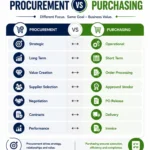
These terms are related but different.
They describe what procurement wants to achieve.
Examples:
They describe what procurement does to achieve those objectives.
Examples:
A simple way to remember:
Objectives = What procurement wants to achieve.
Functions = What procurement does to achieve it.
This distinction will become important in the next article in this series: Procurement Functions.
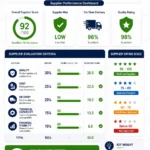
Objectives need measurable indicators.
For example:
| Procurement Objective | Possible KPI |
|---|---|
| Cost Optimization | Cost savings / cost avoidance |
| Quality | Supplier defect rate / PPM |
| Delivery | On-Time Delivery % |
| Supplier Development | Supplier improvement score |
| Risk Reduction | Critical suppliers with mitigation plans |
| Efficiency | Procurement cycle time |
| Compliance | Contract compliance % |
| Automation | Digital transaction rate |
| Inventory | Inventory turns / stockout rate |
| Sustainability | Sustainable spend % |
| Business Value | Total procurement value contribution |
The exact KPIs should be selected according to the organization’s strategy and procurement maturity.
A mature procurement function should avoid measuring everything through one KPI.
For example:
“Save 10%.”
If buyers are measured only on price savings, they may unintentionally create problems in:
A better procurement scorecard balances multiple dimensions.
Are we competitive?
Are suppliers meeting requirements?
Are materials available when required?
Can supply continue during disruptions?
Are strategic suppliers improving?
Are procurement processes fast and controlled?
Are purchasing activities properly governed?
Are suppliers contributing new ideas?
Are relevant responsible-sourcing goals being addressed?
This creates a more balanced view of procurement performance.
Price reduction without considering quality, delivery and risk can destroy value.
A procurement team cannot effectively prioritize dozens of unrelated goals.
Focus on the objectives that matter most to the business.
A KPI should support a business objective.
A number alone does not explain performance.
Cost savings are meaningless if a critical supplier cannot support production.
Procurement performance should be connected to business outcomes.
Unrealistic targets can encourage poor purchasing decisions or inaccurate reporting.
Procurement objectives should align with the needs of:
A practical approach is to follow five steps.
Ask:
What does the organization need to achieve?
Growth?
Cost competitiveness?
New product development?
Risk reduction?
Customer service?
Determine where procurement can influence those goals.
For example:
Business goal:
Reduce product cost
Procurement contribution:
Instead of:
Improve supplier performance.
Use:
Improve supplier on-time delivery performance from the current baseline toward the organization’s target.
The target should be based on realistic business requirements and baseline data.
Every objective should have a clear owner.
For example:
Procurement objectives should be reviewed periodically.
Business conditions change.
Supplier markets change.
Material prices change.
Customer requirements change.
Therefore, procurement objectives should evolve with the business.
Imagine a manufacturing procurement department establishes the following annual objectives:
| Objective | Example Direction |
|---|---|
| Cost | Improve total cost competitiveness |
| Quality | Reduce supplier defects |
| Delivery | Improve supplier OTD |
| Risk | Develop alternatives for critical categories |
| Supplier | Improve strategic supplier performance |
| Efficiency | Reduce manual procurement activities |
| Compliance | Improve contract and PO compliance |
| Innovation | Increase supplier-led improvement projects |
| Sustainability | Increase responsible sourcing coverage |
Notice that only one objective is directly about price.
This demonstrates how broad modern procurement has become.
Use this checklist to assess your procurement function.
☐ Do we measure total cost?
☐ Do we understand major spending categories?
☐ Do we actively identify cost optimization opportunities?
☐ Are supplier quality KPIs monitored?
☐ Are recurring supplier defects addressed?
☐ Do we measure supplier OTD?
☐ Do we identify recurring delivery problems?
☐ Are suppliers evaluated systematically?
☐ Are strategic suppliers reviewed regularly?
☐ Have critical supply risks been identified?
☐ Are alternate sources available where necessary?
☐ Are procurement procedures documented?
☐ Are appropriate approvals followed?
☐ Are repetitive activities automated?
☐ Is procurement cycle time measured?
☐ Are suppliers involved in improvement initiatives?
☐ Are relevant sustainability requirements included in sourcing decisions?
☐ Does procurement demonstrate its contribution beyond price savings?
The objectives of procurement go far beyond buying products at the lowest price.
The major objectives include:
The strongest procurement functions balance these objectives instead of maximizing one at the expense of the others.
A lower price is useful.
But a lower price combined with poor quality, late delivery and high supply risk is not necessarily a procurement success.
The real objective is:
Create the best overall value for the business while ensuring reliable supply, appropriate quality, controlled risk and sustainable long-term performance.
What are the main objectives of procurement?
The main objectives include cost optimization, quality assurance, timely delivery, supplier management, risk reduction, compliance, efficiency, innovation, sustainability and long-term business value.
Is reducing cost the main objective of procurement?
Cost optimization is an important objective, but procurement should not focus only on purchase price. Quality, delivery, risk, supplier capability and total cost should also be considered.
What are the Six Rights of procurement?
The traditional Six Rights are the right product, right quality, right quantity, right supplier, right time and right price.
Why is quality a procurement objective?
Poor supplier quality can create rejection, rework, production delays, warranty costs and customer problems. Procurement therefore needs to work with suppliers and internal quality teams to maintain required standards.
How does procurement reduce risk?
Procurement can reduce risk through supplier evaluation, alternate sources, supplier diversification, capacity assessment, risk monitoring, contracts and business continuity planning.
What is the difference between procurement objectives and procurement functions?
Objectives describe what procurement aims to achieve, while functions describe the activities procurement performs to achieve those objectives.
How are procurement objectives measured?
Objectives can be measured through KPIs such as cost savings, supplier OTD, defect rate, procurement cycle time, contract compliance, supplier performance and risk coverage.
What is strategic procurement?
Strategic procurement focuses on long-term value creation through sourcing strategy, supplier relationships, cost management, risk reduction, innovation and alignment with business goals.
Why is sustainability becoming a procurement objective?
Organizations increasingly consider environmental, social, ethical and regulatory factors when selecting and managing suppliers. The specific requirements depend on the business and applicable regulations.
Can procurement objectives differ between companies?
Yes. Objectives should reflect the organization’s industry, strategy, risk profile, supply market and business priorities.
A simple framework for procurement professionals is:
Cost + Quality + Delivery + Supplier + Risk + Compliance + Efficiency + Innovation + Sustainability = Business Value
This should not be treated as a universal mathematical formula. It is a practical way to remember the major dimensions procurement may need to balance.