Articles

Procurement Best Practices

What Is Strategic Sourcing? A Complete Guide for Procurement Professionals

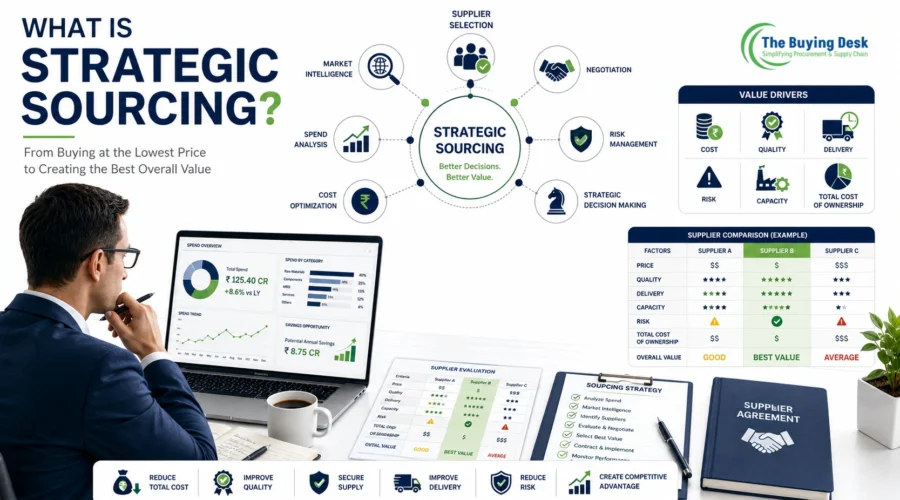
Strategic sourcing is a systematic approach to procurement that focuses on finding the right suppliers, understanding market conditions, analyzing costs, reducing supply risk and creating long-term value for an organization. Unlike traditional purchasing, which often focuses on price, purchase orders and immediate requirements, strategic sourcing considers the complete picture: cost, quality, delivery, capacity, supplier capability,

Procurement

Supplier Audit: Process, Types, Checklist & Best Practices

A supplier may offer competitive pricing, strong capabilities and attractive delivery commitments, but procurement teams still need to verify whether the supplier can consistently meet business requirements. This is where a supplier audit becomes important. A supplier audit is a structured assessment of a supplier’s processes, systems, capabilities, quality controls, compliance and operational practices. It

Contract Compliance

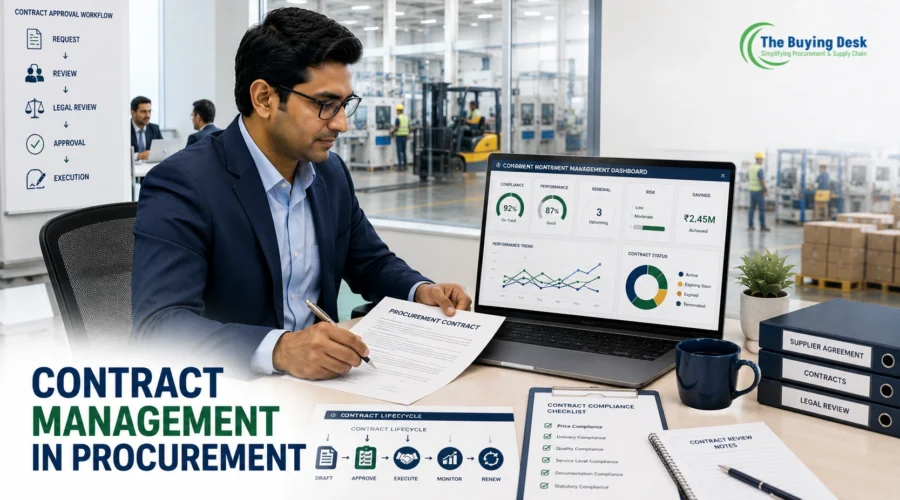
Contract Management in Procurement: Process, Types, KPIs & Best Practices

Contract management is one of the most important activities in procurement because a negotiated agreement only creates value when its terms are properly implemented, monitored and maintained. A procurement team may negotiate the right price, payment terms, delivery conditions, quality requirements and service levels. However, if those commitments are not monitored after the contract is

Cost Optimization

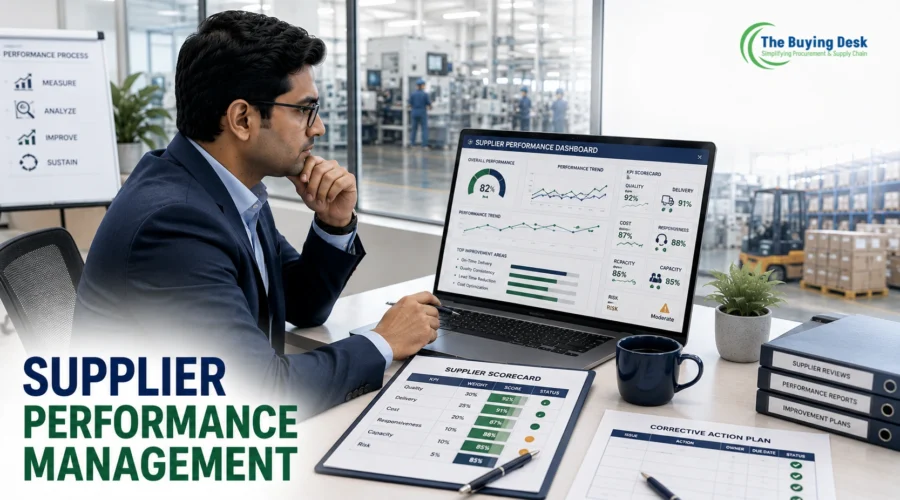
Supplier Performance Management: Process, KPIs, Scorecards & Best Practices

A supplier may offer a competitive price, but that alone does not make the supplier successful. Procurement performance depends on what happens after the supplier is selected. Does the supplier deliver on time? Does the material meet quality requirements? Are costs competitive? Does the supplier respond quickly to problems? Can the supplier support increasing demand?

Procurement Best Practices

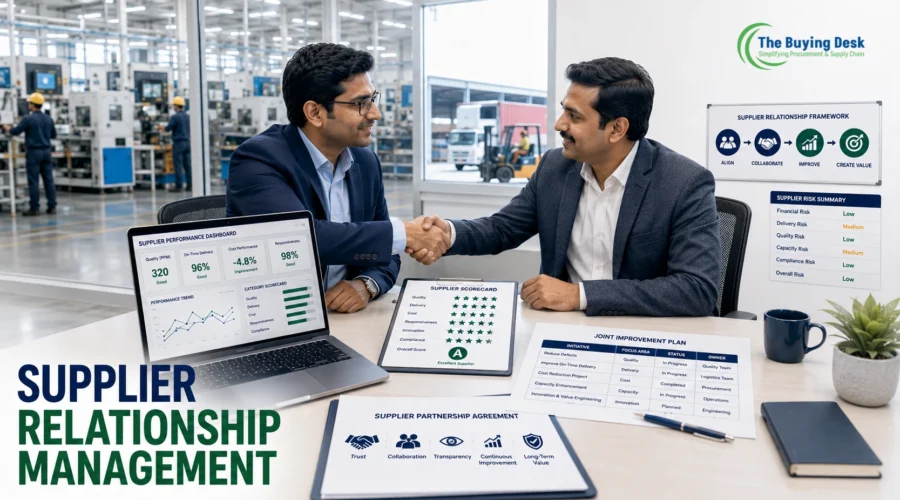
Supplier Relationship Management: Process, Strategy & Best Practices

Supplier relationships can have a major impact on procurement performance. A supplier may offer a competitive price, but that alone does not guarantee reliable delivery, consistent quality, quick response or long-term business value. This is why modern procurement teams focus not only on selecting suppliers, but also on managing and developing supplier relationships. This discipline

Procurement Best Practices

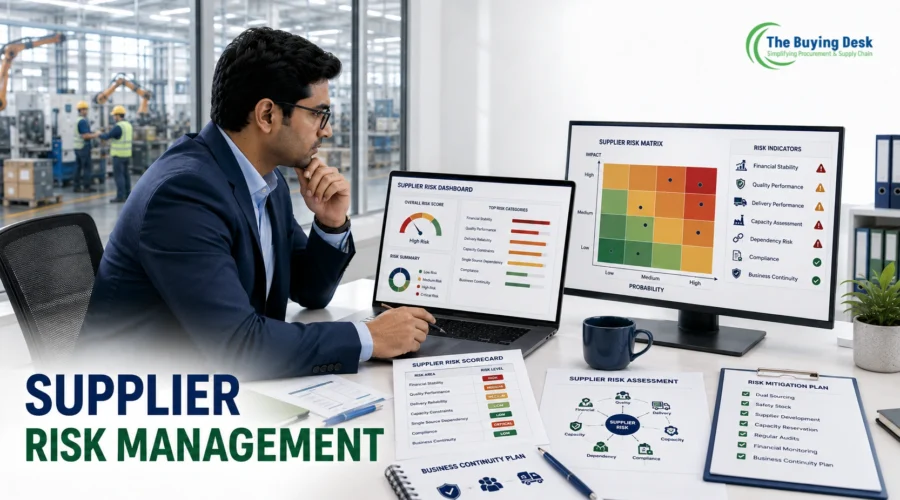
Supplier Risk Management: A Complete Guide for Procurement Teams

A supplier may offer the best price, excellent quality and attractive payment terms—but still represent a significant business risk. Why? Because procurement performance depends not only on what a supplier charges, but also on whether the supplier can consistently deliver the required product or service when the business needs it. A supplier may suddenly face

Procurement

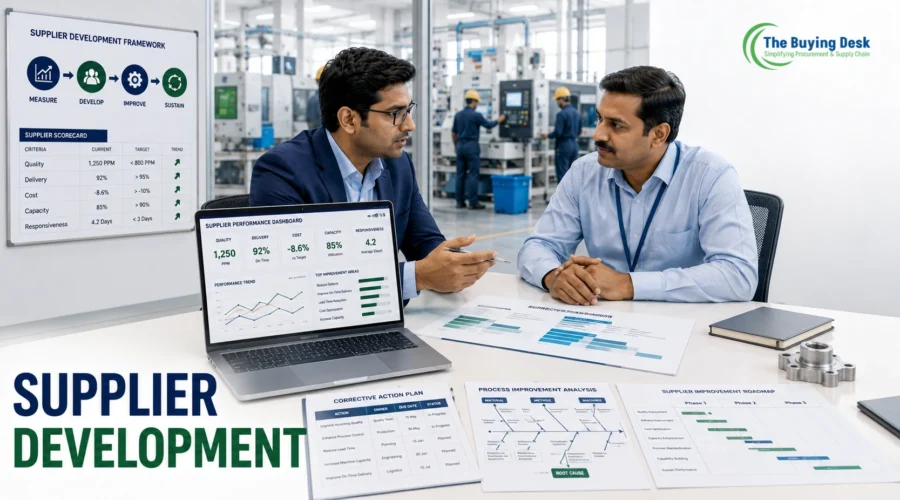
Supplier Development: Process, Benefits, Strategies & Best Practices

Supplier development is an important part of modern procurement and supplier management. Organizations do not always get the required quality, cost, delivery, capacity or responsiveness simply by selecting a supplier. Sometimes the supplier has the potential to perform well but needs technical support, process improvement, capability development, quality improvement or better planning. This is where

Procurement

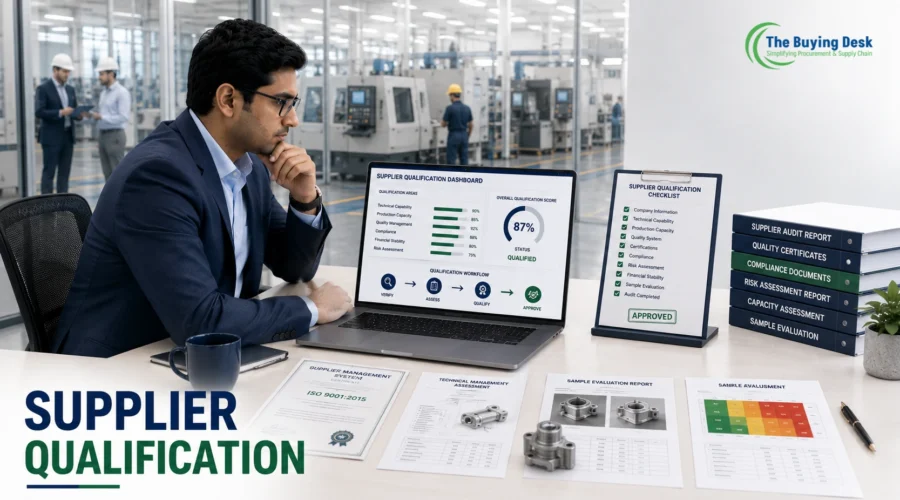
Supplier Qualification Process: Criteria, Checklist & Best Practices

Finding a supplier is relatively easy. Finding a supplier that is capable, reliable, compliant and suitable for long-term business is much more difficult. A supplier may offer an attractive price, but can the supplier consistently meet your quality requirements? Does it have sufficient production capacity? Can it support your required volumes? Are its processes stable?

Procurement

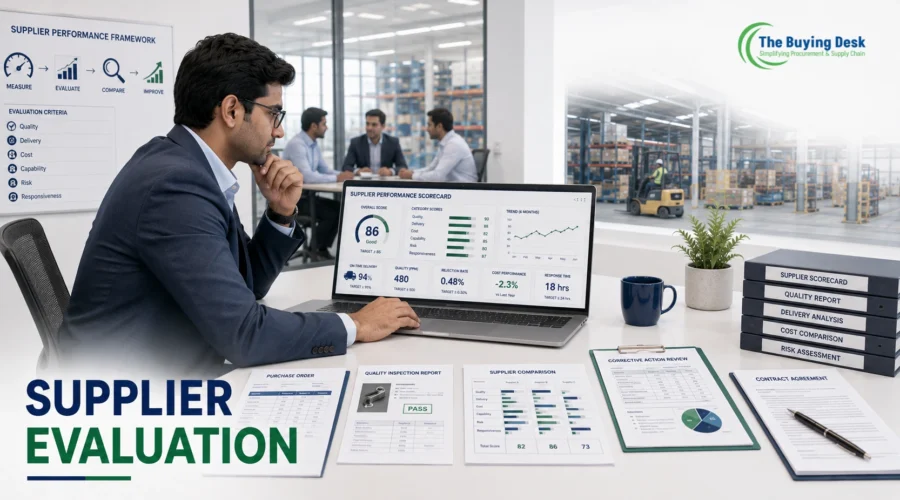
Supplier Evaluation: Criteria, Process & Scorecard

Selecting the right supplier is only the beginning of supplier management. Once a supplier is approved and business starts flowing, procurement needs to continuously determine whether the supplier is actually delivering the expected value. Are deliveries on time? Is the quality consistent? Is the supplier responding quickly to problems? Are prices competitive? Does the supplier

Subscribe To Our Newsletter

Receive valuable procurement insights, career tips and supply chain learning directly in your inbox.

We don’t spam! Read our privacy policy for more info.