Tag: Supplier Management

Procurement Best Practices

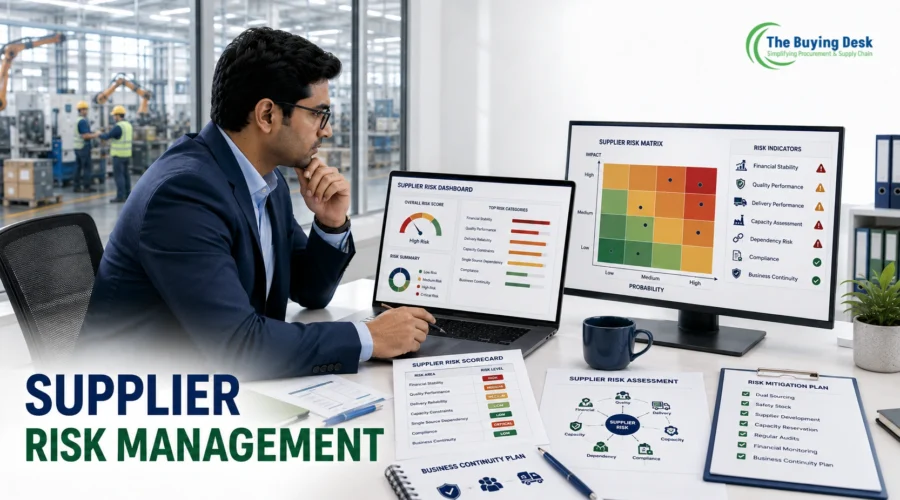
Supplier Risk Management: A Complete Guide for Procurement Teams

A supplier may offer the best price, excellent quality and attractive payment terms—but still represent a significant business risk. Why? Because procurement performance depends not only on what a supplier charges, but also on whether the supplier can consistently deliver the required product or service when the business needs it. A supplier may suddenly face

Procurement

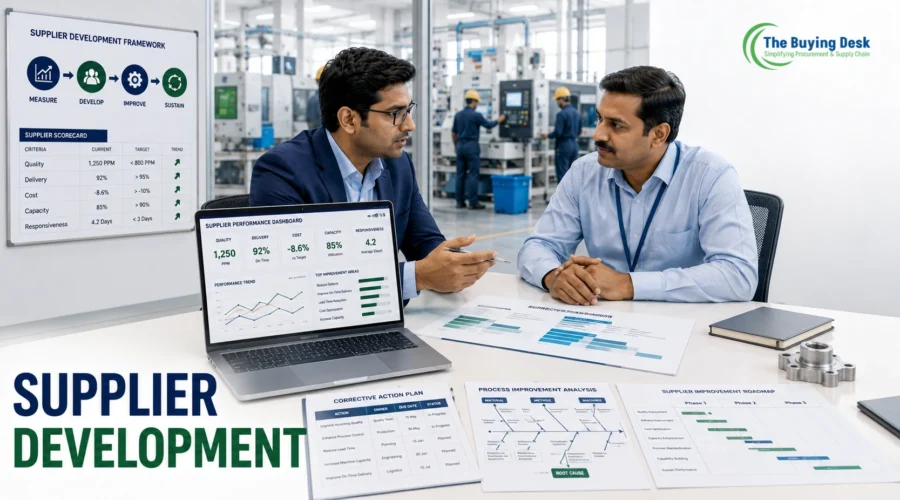
Supplier Development: Process, Benefits, Strategies & Best Practices

Supplier development is an important part of modern procurement and supplier management. Organizations do not always get the required quality, cost, delivery, capacity or responsiveness simply by selecting a supplier. Sometimes the supplier has the potential to perform well but needs technical support, process improvement, capability development, quality improvement or better planning. This is where

Procurement

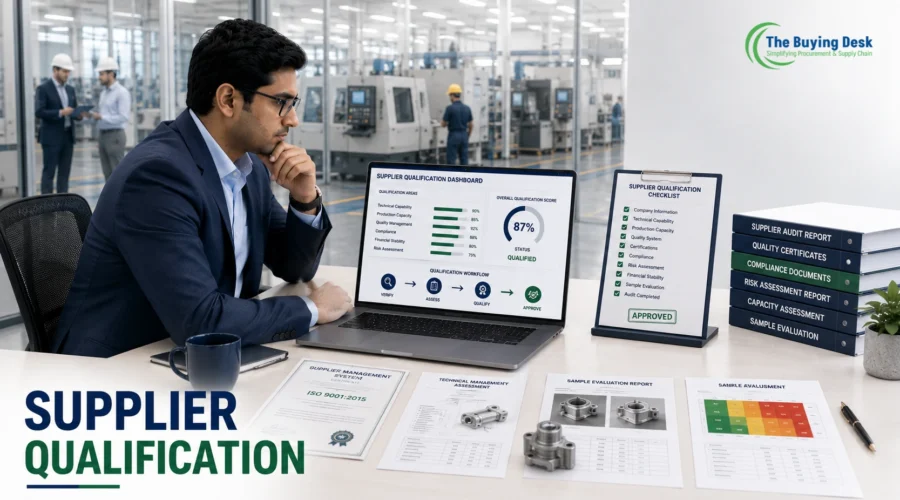
Supplier Qualification Process: Criteria, Checklist & Best Practices

Finding a supplier is relatively easy. Finding a supplier that is capable, reliable, compliant and suitable for long-term business is much more difficult. A supplier may offer an attractive price, but can the supplier consistently meet your quality requirements? Does it have sufficient production capacity? Can it support your required volumes? Are its processes stable?

Procurement

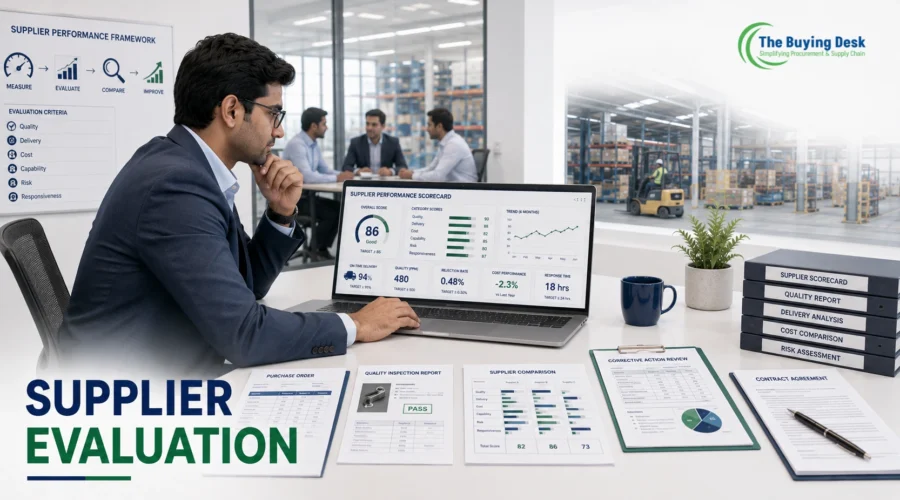
Supplier Evaluation: Criteria, Process & Scorecard

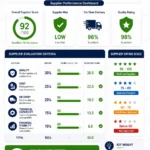
Selecting the right supplier is only the beginning of supplier management. Once a supplier is approved and business starts flowing, procurement needs to continuously determine whether the supplier is actually delivering the expected value. Are deliveries on time? Is the quality consistent? Is the supplier responding quickly to problems? Are prices competitive? Does the supplier

Procurement

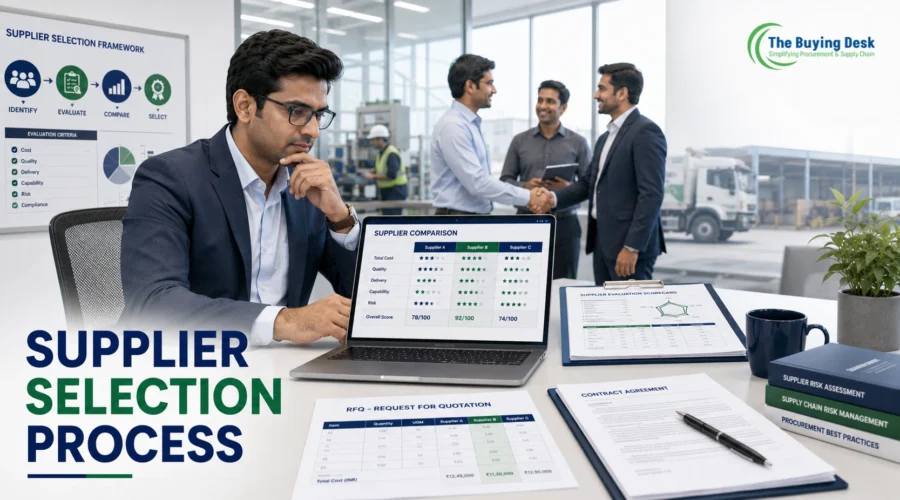
Supplier Selection Process: How to Select the Right Supplier

Choosing the right supplier is one of the most important decisions in procurement. A supplier may offer the lowest price, but that does not necessarily make them the best supplier. A supplier that consistently delivers the right quality, on time, at a competitive total cost, while managing risks and responding quickly to business requirements, can

Procurement

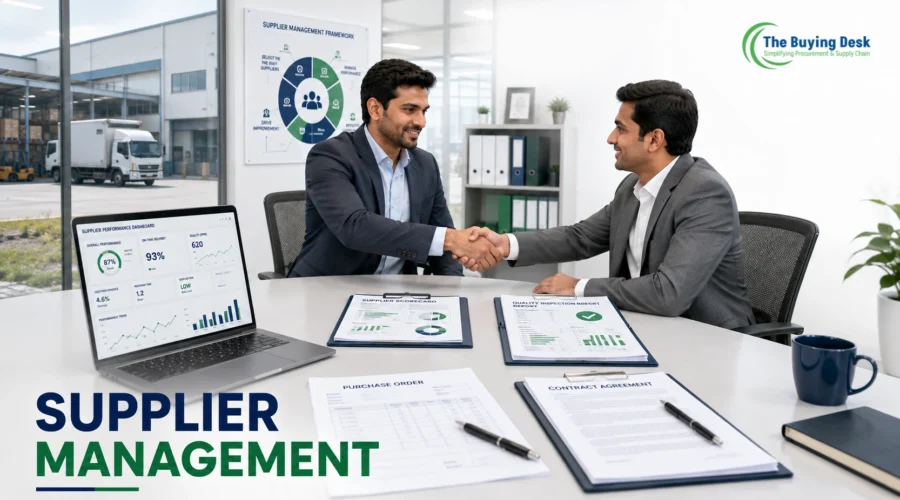
What Is Supplier Management? Process, Benefits, KPIs & Best Practices

A supplier can have a major impact on an organization’s cost, quality, delivery performance and business continuity. A supplier that consistently delivers the right product at the right quality and price can become a strategic business partner. A poorly managed supplier, on the other hand, can create: This is why procurement cannot stop at supplier

Procurement

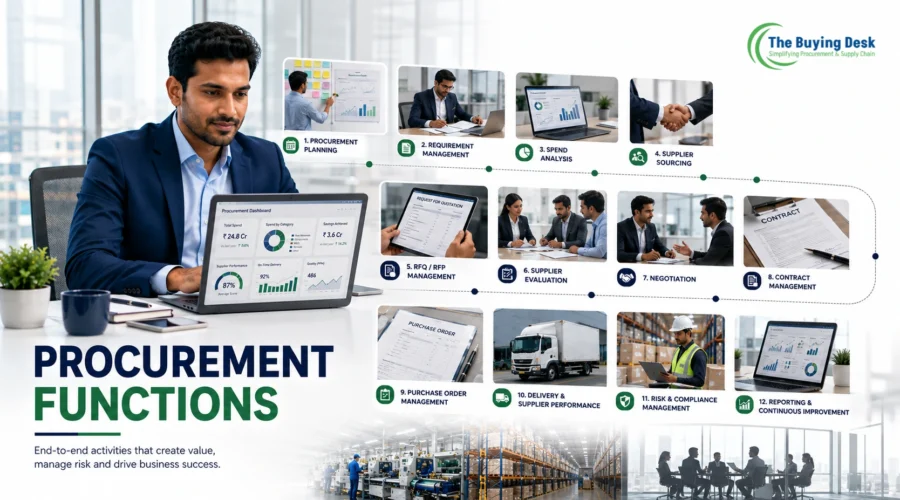
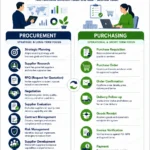
Procurement Functions: 12 Key Functions Every Procurement Team Performs

What does a procurement department actually do? Many people think procurement simply means: Get a quotation → negotiate the price → place a purchase order. That is only one part of procurement. A modern procurement function is responsible for much more. Procurement helps the organization understand its requirements, identify suppliers, evaluate alternatives, negotiate commercial terms,

Cost Optimization

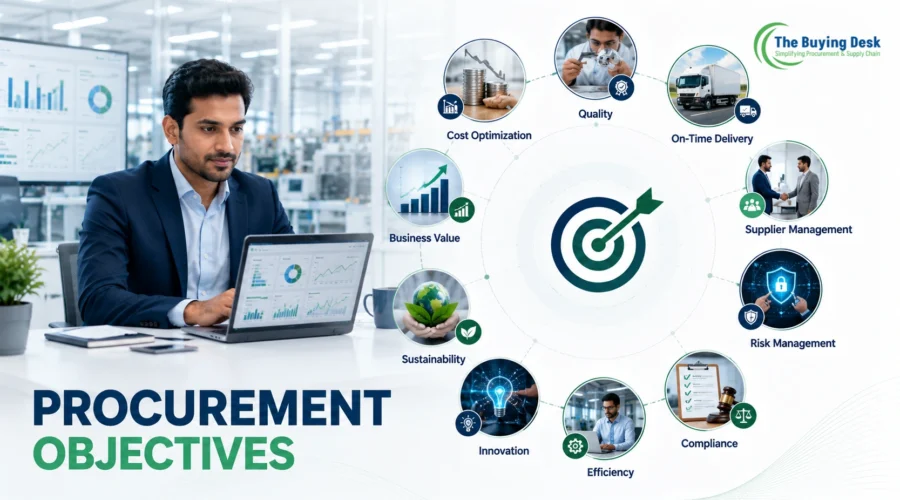
Procurement Objectives: 10 Key Goals Every Procurement Team Should Achieve

What is the main objective of procurement? If the answer is simply “buy products at the lowest price,” procurement is being viewed too narrowly. Modern procurement has a much broader responsibility. A procurement team must help the organization obtain the right product or service, at the right quality, from the right supplier, at the right

Procurement

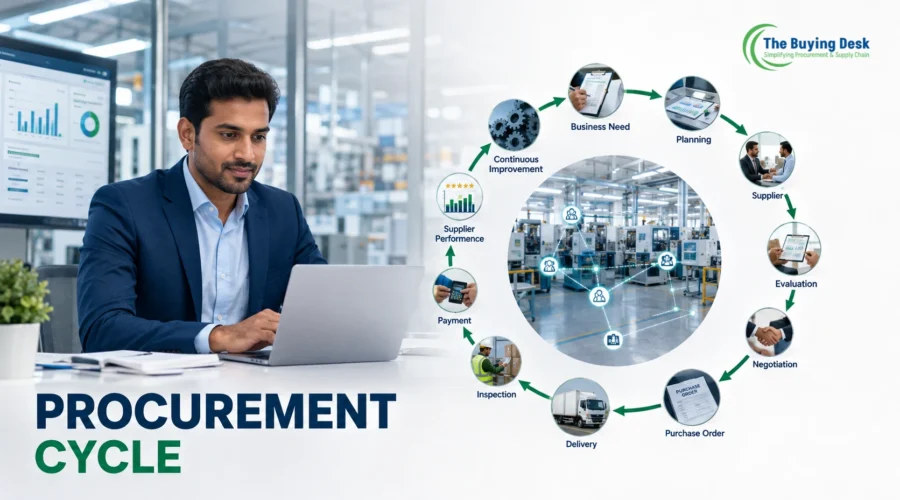
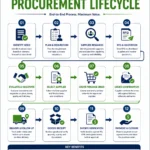
Procurement Cycle Explained: Stages, Process & Best Practices

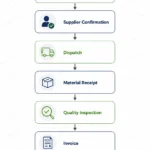
A business does not purchase something only once. It continuously identifies requirements, plans purchases, searches for suppliers, negotiates commercial terms, places orders, receives materials, processes payments, evaluates suppliers, and improves future purchasing decisions. This continuous movement is known as the procurement cycle. For a manufacturing company, the cycle might begin when production planning identifies a